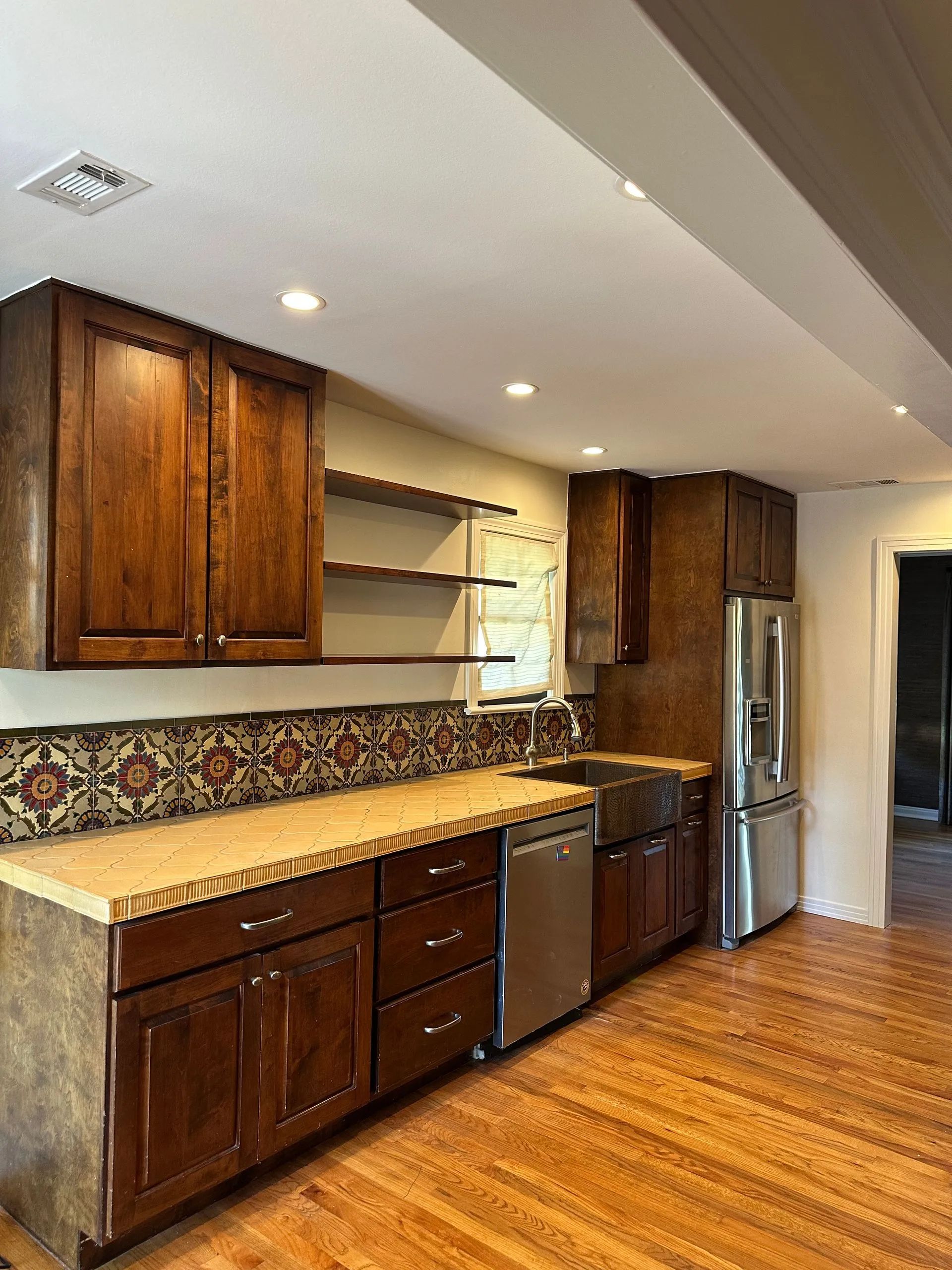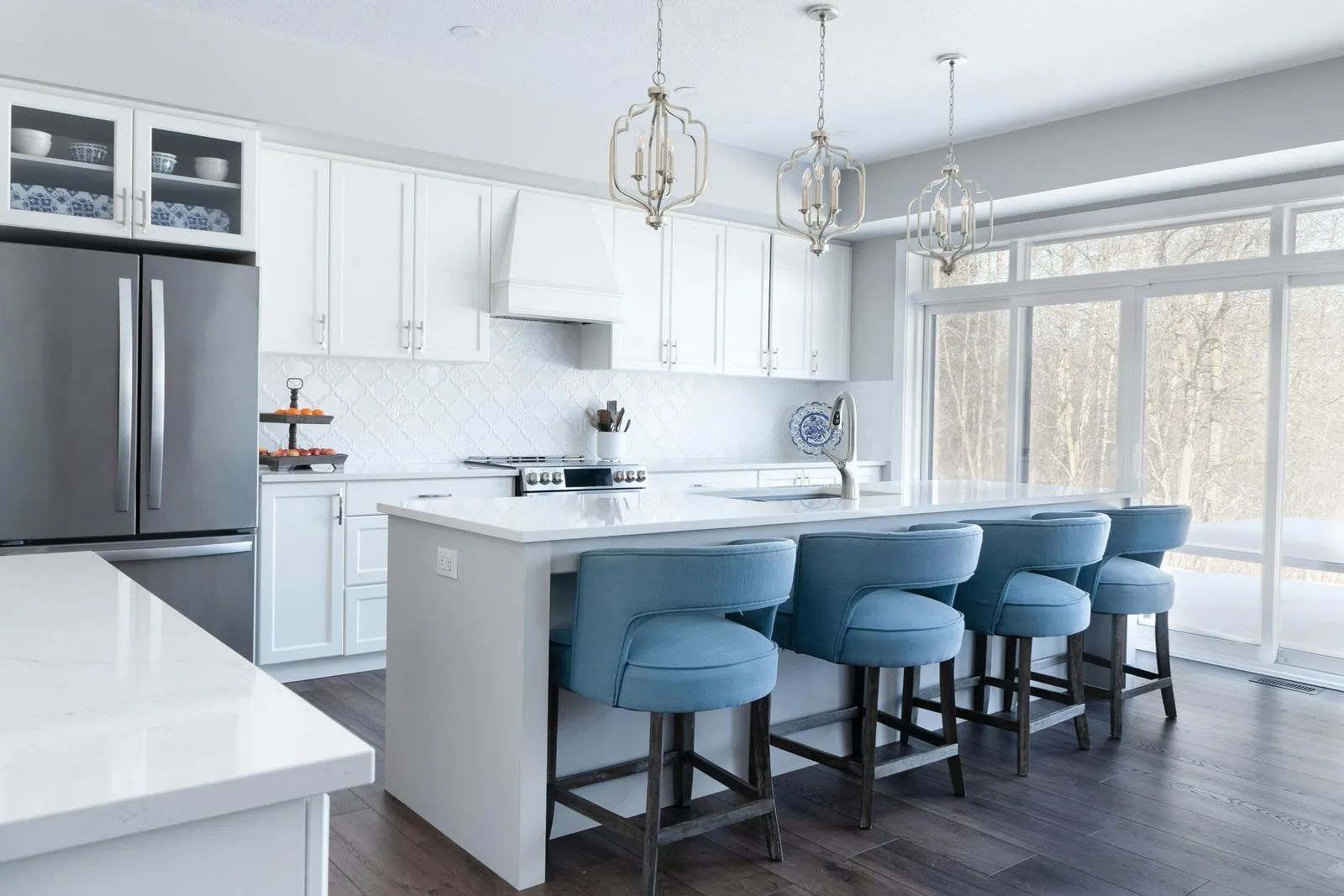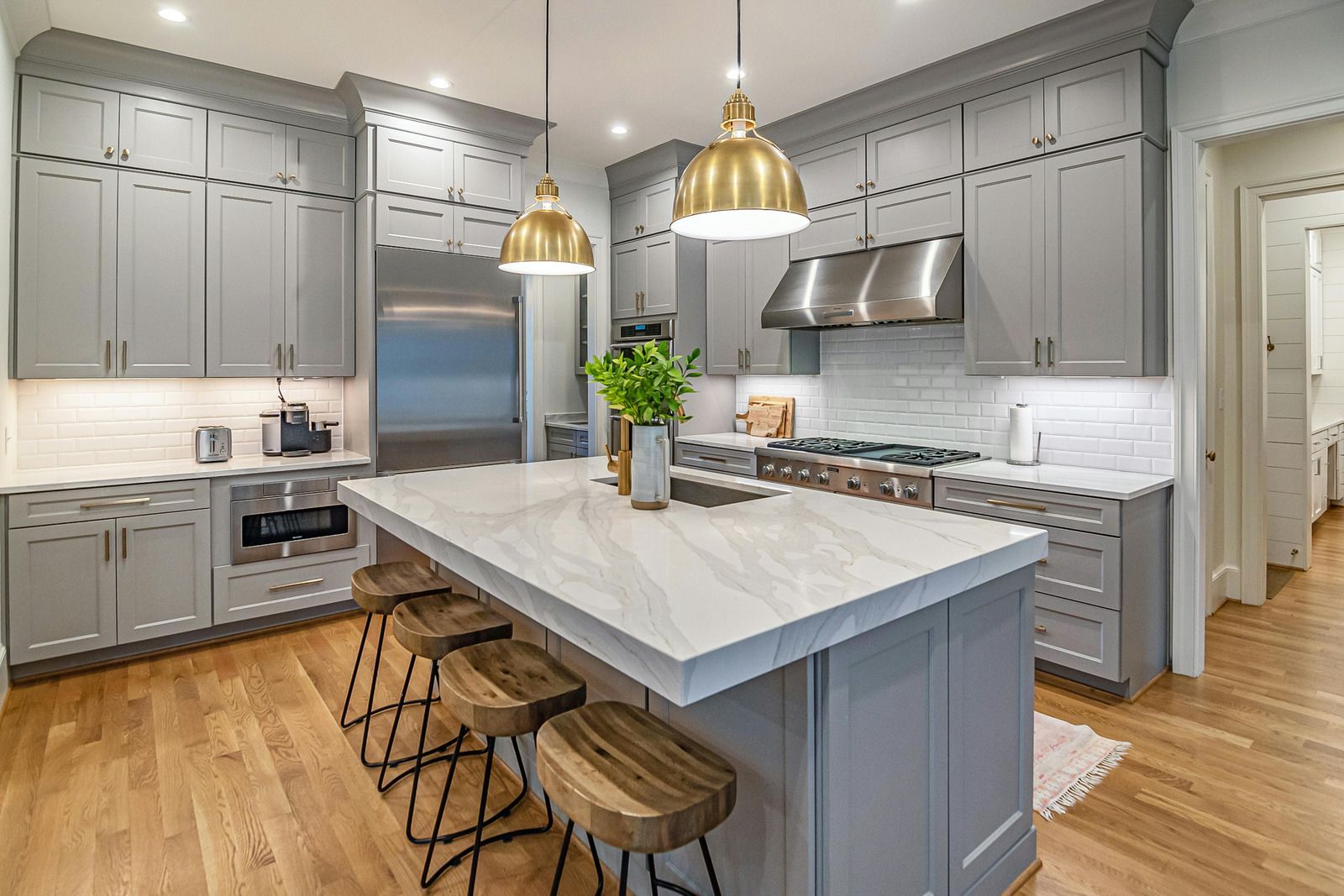
Why Your Kitchen Remodel Timeline Rarely Goes As Planned
Quick Answer: Once materials arrive on-site, most full kitchen remodels take three to five weeks to build. The full process, from the first design meeting to the final walkthrough, commonly runs eight to sixteen weeks depending on scope, material choices, and whether plumbing, electrical, or walls are changing. Custom cabinetry alone often takes six to twelve weeks to arrive after it's ordered, and stone countertops need another one to two weeks after cabinets go in before they can be templated and cut. The biggest swings in a kitchen remodel timeline usually come from decisions made late, not from the physical work itself. In North Texas, slab foundations, clay soil, and humidity swings all add their own planning considerations to a kitchen project.
The cabinets come out of your kitchen on a Monday, and by Wednesday it's down to subfloor and a sheet of plastic where a wall used to be.
That part moves fast.
What catches most homeowners off guard is everything on either side of that week: the months of decisions, ordering, and waiting that determine when the new kitchen is actually ready to cook in.
A kitchen remodel timeline gets treated like a single number, as if someone could just answer "how long" and be done with it. In practice, it's a chain of smaller timelines stacked on top of each other, and each one has its own pace. Understanding how those pieces fit together is what separates a remodel that stays on schedule from one that quietly slides another two months.
The Clock Starts Long Before Anyone Picks Up a Sledgehammer
Demolition day feels like the real beginning, but by the time it happens, most of the schedule has already been set. The weeks before construction are where a kitchen remodel timeline actually gets decided.
Design And Layout Decisions Come First
Before materials are ordered, the layout should be finalized, including sink placement, island position, and cabinet capacity. Revisiting these choices after cabinets are ordered can trigger changes, disrupt sequencing, and add weeks to a renovation schedule that initially appeared manageable.
Material Selections Lock In Everything Downstream
Cabinet style, countertops, flooring, and appliances should be selected before ordering begins because purchases start the lead-time clock. If homeowners are still choosing quartz after cabinets ship, countertop installation may be delayed, extending the project timeline unnecessarily.
Structural Questions Get Answered Here Too
Decisions about removing walls or relocating windows belong during planning, before construction begins. Structural changes affect permitting, trades, materials, and sequencing, so discovering them midway through demolition can create additional work and disrupt several stages of the renovation schedule.
Material Lead Times Are the Real Timeline Driver
Ask any kitchen remodel timeline where its longest stretch of "nothing visible is happening" comes from, and the answer is almost always material lead time. This is the part homeowners underestimate most.
Cabinetry Sets The Pace For Everything Else
Custom and semi-custom cabinets are built to order, with lead times commonly around six to twelve weeks. Stock cabinets can arrive within one to two weeks, but they offer fewer configuration choices, making early selection important for keeping renovations moving.
Countertops Can't Be Measured Until Cabinets Are Set
Stone countertops require precise templating after cabinets are installed, followed by fabrication. That process commonly adds one to two weeks and must happen sequentially. Without installed cabinets, fabricators cannot accurately measure, cut, or prepare countertops for installation.
Appliances And Specialty Fixtures Have Their Own Schedules
Backordered appliances or specialty fixtures can delay a nearly completed kitchen even when other trades have finished. Ordering refrigerators, ranges, faucets, and specialty items early, alongside cabinets and countertops, reduces the chance that one delayed shipment stalls completion.
What Actually Happens Once Work Begins
This is the part most people picture when they think about a kitchen remodel: crews on-site, dust in the hallway, a kitchen that's suddenly unusable. It moves faster than the planning phase, but it still unfolds in a specific order.
Demolition typically wraps within days once it starts. Cabinets, countertops, and flooring come out, along with any drywall that needs to open up for plumbing or electrical access behind it. Then comes the part nobody sees: rough plumbing and electrical work, plus any framing changes if a wall or window is moving. Only after that closes back up does the kitchen start to visibly reassemble, with flooring, cabinets, countertops, backsplash, and appliances going in roughly in that order.
Once materials are already on-site and nothing structural is holding things up, this build-out phase tends to run three to five weeks for a full kitchen remodel. Projects that stay within the existing footprint, without moving walls or relocating plumbing, land toward the shorter end of that range.
TIP: Finalize every selection, down to the cabinet hardware and faucet finish, before your first ordering deadline. A change made mid-project doesn't just delay one item. It often pushes back everything scheduled to arrive or install after it, since trades are sequenced around each other.
How Texas Conditions Shape the Schedule
A kitchen remodel timeline in North Texas carries a few regional variables that a generic national guide won't mention, and they're worth planning around rather than discovering mid-project.
Slab Foundations And Clay Soil Add A Layer Of Consideration To Structural Work
Much of North Texas has expansive clay soil that shifts with moisture, affecting foundations and construction planning. Most Dallas homes use slab foundations, so relocating plumbing or changing layouts involving footings requires extra care because the work interacts directly with the slab beneath the home.
Heat And Humidity Affect Materials As Much As Comfort
Cabinet manufacturers commonly recommend indoor humidity around 35 to 55 percent to reduce warping and gaps. Dallas summers bring higher outdoor humidity for months, making indoor acclimation important for cabinetry and wood flooring. A properly functioning HVAC system also helps maintain stable conditions during remodeling and after installation.
Neither of these factors typically adds dramatic time to a standard kitchen remodel, but they do shape sequencing on projects that involve moving plumbing, expanding the footprint, or coordinating with an addition elsewhere in the home.
Where Timelines Usually Come Apart
Most delays trace back to a small number of repeat offenders. And none of them are really about the construction work itself.
Late Decisions Cost More Than Early Ones
Changing countertop selections after cabinets are ordered, or adding an island after demolition begins, can reset material lead times and disrupt the schedule. Late decisions are among the most common reasons otherwise well-planned kitchen renovation timelines slip.
Walls Sometimes Hide Surprises
Older homes can reveal outdated wiring, water damage, or unexpected plumbing once walls open. A contractor who documents discoveries and explains available solutions immediately can address problems efficiently, preventing hidden conditions from creating larger delays.
Coordinating Multiple Trades Takes Real Planning
Plumbers, electricians, cabinet installers, and countertop fabricators must work in sequence, so one delay can affect everyone afterward. Projects managed through one point of contact generally handle scheduling changes better than homeowners coordinating every trade independently.
WARNING: Do not let storage ambitions crowd your walkways. A pantry cabinet or extra bank of drawers that narrows a main aisle below a comfortable width creates a daily bottleneck that no amount of interior organization can fix. If a layout only works on paper because it assumes nobody is ever standing at the sink or stove at the same time, it is worth reconsidering before cabinets get ordered.
Living without a functioning kitchen for three to five weeks, or longer on bigger projects, is harder than most households expect going in. Set up a temporary cooking space with a microwave, a mini fridge, and a folding table before demolition starts, not after. Waiting until the sink is disconnected to figure out dinner plans turns a manageable inconvenience into a daily source of stress.
Fitting the Kitchen Into a Larger Plan
For a lot of homeowners, the kitchen isn't happening in isolation. It connects to flooring that runs into an adjoining room, a layout change that affects how the whole main floor flows, or an addition that's being planned alongside it. Thinking about the kitchen remodel timeline as part of that bigger picture, rather than a standalone project, tends to produce better sequencing and fewer conflicts between trades working in adjacent spaces.
A whole-home planning approach also catches connections that a kitchen-only view misses. Flooring that needs to match or transition cleanly into a hallway, an electrical panel that's already near capacity before new appliances get added, or a load-bearing wall that affects both the kitchen and the room next to it are all easier to plan for when someone is looking at the full layout instead of one room at a time.
Frequently Asked Questions
How long does a kitchen remodel actually take from start to finish?
Most full kitchen remodels run eight to sixteen weeks from the first design meeting to the final walkthrough, with visible construction typically taking three to five weeks once materials arrive on-site.
Can I speed up my kitchen remodel timeline?
The most effective way is finalizing every selection, cabinets, countertops, hardware, and appliances, before ordering begins and avoiding changes once construction starts. Ordering long-lead items early also helps.
Why do cabinets take so long to arrive?
Custom and semi-custom cabinets are built to order rather than pulled from a warehouse, and manufacturing typically takes six to twelve weeks. Stock cabinetry ships faster but offers fewer configuration options.
Will I be able to use my kitchen during the remodel?
Not for most of the project. Once demolition starts, the kitchen stays inaccessible until plumbing and electrical work finish and appliances reconnect near the end of construction.
Does changing the layout add much time?
Yes, more than most people expect. Moving a sink, relocating an appliance, or removing a wall introduces plumbing, electrical, and sometimes structural work that has to happen in sequence.
What's the biggest cause of delays specific to North Texas kitchens?
Humidity and slab-related considerations matter most here. Materials that haven't acclimated indoors can shift after installation, and plumbing relocation on a slab foundation takes extra planning.
Why The Weeks Before Construction Matter Most
A kitchen remodel timeline rarely falls apart during the visible construction phase. It falls apart in the decisions made before that, a countertop reconsidered after cabinets are ordered, a layout change floated once demolition has already started. Material lead times, especially for custom cabinetry and stone counters, run on their own clock regardless of how fast the build-out itself moves, and that clock rarely forgives a late change once it's ticking.
JG Elevated Living
has spent 35+ years managing that sequence for homeowners across Dallas, TX, coordinating design, ordering, and construction as one connected plan rather than separate stages working against each other. That kind of planning is what keeps North Texas humidity, slab foundations, and long cabinet lead times from turning into surprise delays. Getting the decisions locked in early is still the single biggest factor in whether a kitchen remodel finishes on schedule or slides another month.